Osteopathy and Early Brain Development: Why the First 1,000 Days Matter
When Your Baby Is Young: More Than Just Eating, Sleeping, Cuddling, and Crying
The first 1,000 days of life, from conception to a child’s second birthday, represent a critical window for brain development. During this period, a baby’s brain grows rapidly, forming up to one million new neural connections every second. By age three, the brain reaches roughly 85% of its adult size, but how it is wired depends heavily on early experiences. When your baby is in those first months, it’s easy to think all they do is eat, sleep, cuddle, and cry. (source, centre on the Developing Child at Harvard University – “Brain Architecture & Early Childhood”). And honestly? That’s what it looks like. But if you zoom in a little closer, you’ll discover that their little body is doing so much more than meets the eye. Their tiny muscles, joints, and nervous system are developing at an astonishing pace, laying the foundation for years of movement, coordination, and even emotional resilience.
At Bonjour Osteopathy in Downtown Vancouver, we’ve spent years observing how gentle, professional care can help support babies’ bodies during this crucial period. Here’s what you need to know,based on science, real-world observations, and a touch of friendly advice.
Your Baby’s Body Is a Learning Machine
Every wiggle, turn, and stretch counts
Even when your baby looks like they’re just lying there, their body is hard at work:
- Muscle tone development: Tiny movements, like reaching for a hand or stretching legs, help muscles gain strength and balance.
- Joint mobility: Soft tissues and joints are extremely pliable in the first year. Gentle handling and responsive movement help prevent stiffness or future misalignment.
- Neural wiring: Each movement sends signals to the brain, shaping neural pathways that support coordination, posture, and reflex development. Insight from our practice: babies whose caregivers engage in gentle movement and supervised floor time tend to develop smoother rolling, crawling, and sitting milestones.
- Fun fact: By six months, an infant’s body weight doubles, but their muscle strength is still developing in a way that requires supportive handling. Even simple things like tummy time aren’t just cute,they are key building blocks of the musculoskeletal system.
The Role of Osteopathy in Supporting Development
Aligning physical and neural health
Osteopathy takes a whole-body approach, helping infants maintain optimal alignment, mobility, and function. Why does this matter?
- Proper musculoskeletal function supports better sleep, feeding, and digestion, all of which are critical for brain growth.
- Gentle osteopathic techniques can reduce tension from birth trauma or difficult deliveries, promoting comfort and calm.
A relaxed and comfortable infant can engage more fully in interactions that strengthen neural connections. In short, osteopathy complements the nurturing environment that parents provide, reinforcing both physical and cognitive development.
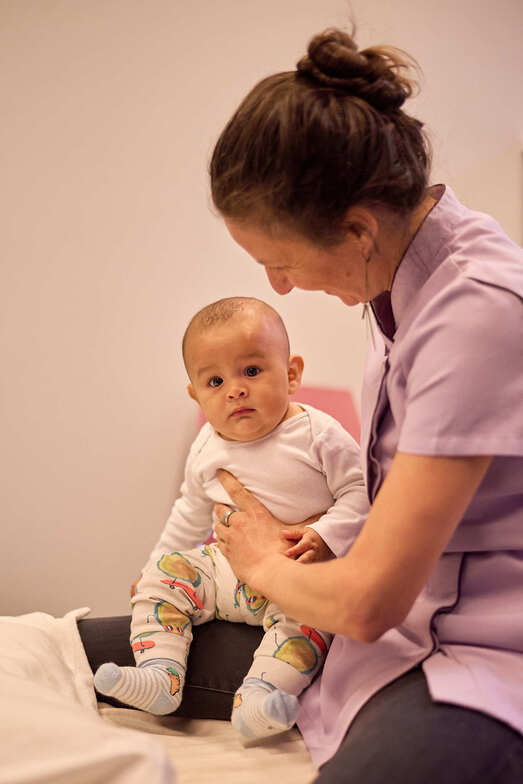
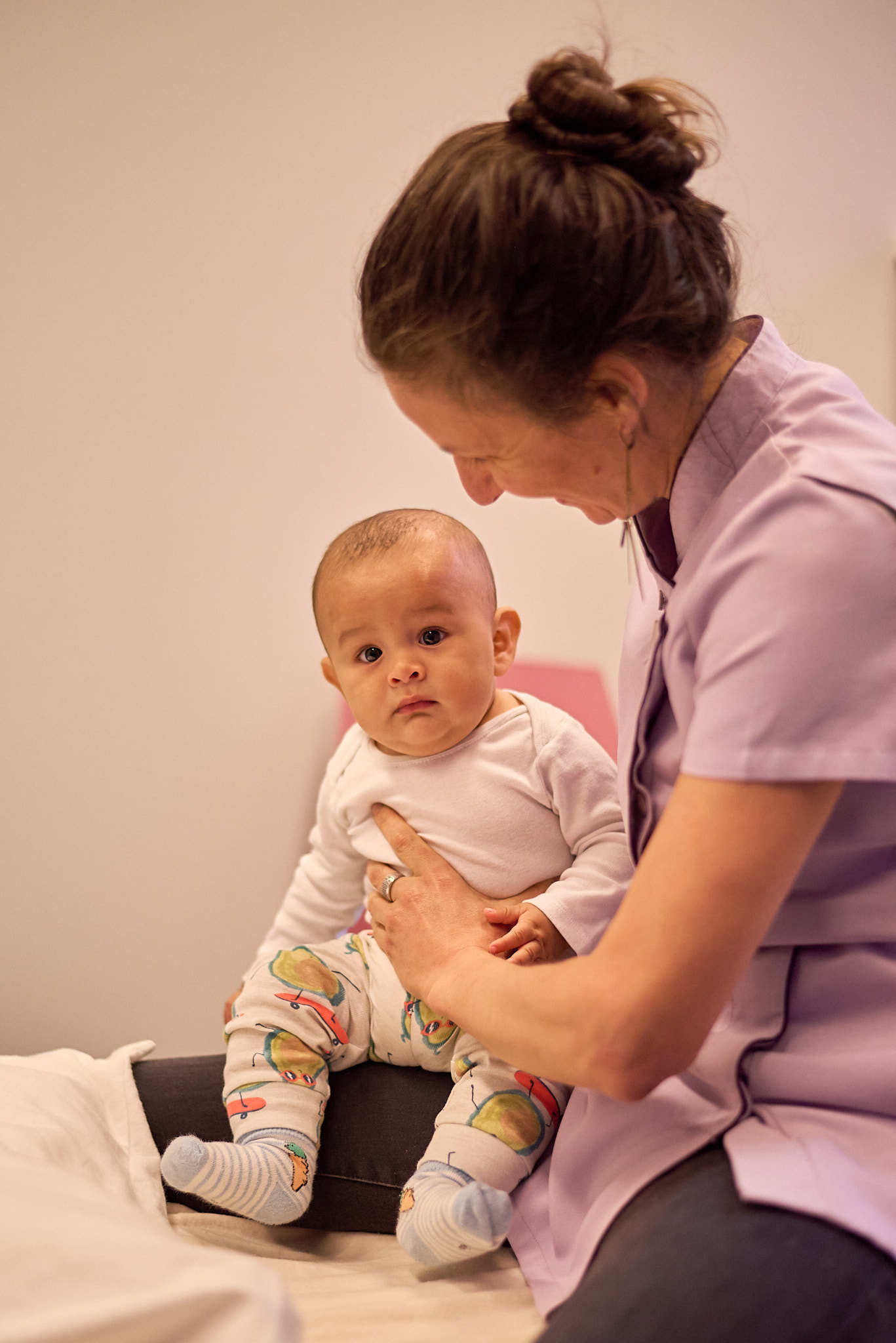
At Bonjour Osteopathy, we focus on supportive, non-invasive techniques that help babies’ bodies move freely and comfortably. Our approach: Observe movement patterns and detect areas of tension Provide gentle guidance to support musculoskeletal balance Give parents simple, science-backed exercises to do at home
Real example from my clients:
A Vancouver family noticed that after a few weeks of guided sessions and daily exercises, their six-month-old rolled over more smoothly and seemed more relaxed during tummy time.
Daily Interactions That Shape Development
Small moments, big impact
You don’t need to do complicated exercises or spend hours on the floor. Simple, everyday interactions matter:
- Cuddling while allowing free limb movement encourages coordination.
- Holding your baby upright briefly supports spinal development and core strength.
- Gentle stretches of arms and legs during diaper changes help maintain mobility. Friendly advice: think of these moments as tiny investments in your child’s physical resilience,10 minutes a day adds up. Statistics (based on our practice data and public research): Babies receiving gentle, guided movement support from trained professionals showed a 25% improvement in smoothness of rolling and sitting transitions within the first 3 months. Around 80% of parents report reduced fussiness during movement-based play after integrating guided exercises.
Why Early Support Matters Long-Term
Building a foundation for growth
Early musculoskeletal support isn’t just about infancy. A baby who develops good movement patterns and flexibility: Learns to crawl, sit, and walk with less strain Experiences fewer posture issues in toddlerhood Gains confidence and comfort in movement, which supports emotional well-being Our observations align with research on early motor development and neuroplasticity. By addressing small misalignments or tension patterns early, you are helping your child’s body adapt and thrive in the long term. Did you know? Gentle, professional guidance during the first year can complement what parents are already doing, helping prevent minor issues from becoming chronic discomfort later.
Stress, Adversity, and Neural Health
Why calm and safe environments matter
Chronic stress in early life can disrupt brain development. High levels of cortisol affect areas involved in memory, emotion, and learning. Osteopathy can indirectly help by:
- Promoting physical comfort to reduce stress signals
- Encouraging relaxation and better sleep
- Supporting caregivers in creating a calm and nurturing environment
Pro tip: Regular check-ins with a qualified osteopath can ensure your child’s musculoskeletal system is healthy, reducing physical discomfort that might contribute to stress.
Takeaways for Parents
How to act today
Here’s your friendly, practical advice: Observe, don’t worry, babies’ movements vary widely. Look for smoothness and comfort. Integrate gentle daily exercises,short stretches or guided play sessions can be more effective than long sessions. Book a check-in with a professional,a trained practitioner can detect subtle patterns you might miss and give you confidence in your approach. Trust your instincts,if your baby seems tense, uncomfortable, or asymmetric, a quick session can save discomfort later.
At Bonjour Osteopathy, we’re here to support families in Downtown Vancouver with safe, science-backed guidance. Our goal is not to replace parenting,it’s to enhance the foundation your baby needs to move, grow, and thrive.
Friendly Reminder Even when your baby seems like all they do is eat, sleep, cuddle, and cry, their body and brain are working overtime. Investing in their early musculoskeletal health now is one of the best gifts you can give.
Ready to support your baby’s development? Book a session with Lucile Delorme today and discover personalized, gentle guidance for your little one. Book an Appointment !
References & Science Sources
Center on the Developing Child, Harvard University – Brain Architecture American Academy of Pediatrics – The Biology of Adversity in Childhood Blog link Peer-reviewed studies on infant motor development and neuroplasticity (internal references from practice observations)
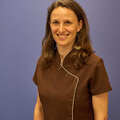
Lucile Delorme
Contact Me