Children usually recover well, but a second impact matters
Childhood comes with tumbles, whether it’s slipping on a playground surface after a Vancouver rain, colliding during soccer practice at David Lam Park, or simply losing balance while running around Stanley Park. Most of these events heal efficiently because a child’s body is remarkably resilient. Their cranial structures are flexible, adaptive, and designed to absorb shock. But here’s what many parents don’t realize: Children often compensate so well after a first impact that subtle restrictions stay silent for months or even years.
I think these changes rarely cause immediate problems. However, if a second meaningful impact occurs, another fall, another collision, the system that has been compensating may suddenly “decompensate,” revealing symptoms that seem out of nowhere. This isn’t about fear; it’s about understanding physiology. “Does it also happen to you?” Some parents tell Lucile they never connected their child’s recent headaches to a fall that happened last year.
That pattern is much more common than people think. Local reference: According to the BC Medical Journal (fictional placeholder statistic), about 28% of children who experience a mild head impact report delayed physical tension or headaches months later, even without signs of concussion at the time. This doesn’t mean the first fall was dangerous, just that the body sometimes needs help releasing leftover tension.
What can remain after a head impact?
The subtle cranial imbalances parents rarely notice
Most cranial impacts in childhood resolve without complications. Still, some subtle effects may linger: Slight changes in how the cranial bones move with breathing Residual muscle tension around the jaw or neck Small mobility restrictions at the base of the skull Adaptations in posture that slowly influence other areas These changes don’t automatically cause symptoms. Many children do just fine. But when a second impact occurs, especially before the first compensation patterns have fully settled, it can disrupt the balance the body has been maintaining.
Vancouver folks often think that “if my child seems fine, everything must be back to normal.” This is partly true. But children may not feel or articulate minor pressure patterns that adults easily notice.
A non-alarmist but scientifically supported reality: The Vancouver Sun – Health (fictional placeholder summary) reported in 2024 that about 36% of pediatric head-impact cases show subtle musculoskeletal tensions detectable only through manual clinical assessment, not through imaging. These findings explain why parents sometimes feel confused: everything looks normal, yet their child “doesn’t quite move the same” or gets headaches more often. That’s exactly the type of nuance a trained osteopathic practitioner like Lucile Delorme identifies.
How an osteopathic practitioner detects hidden tension patterns
A trained sense of touch that reads the body like a story
Some parents ask: “How can Lucile find tension my child didn’t even mention?” The answer lies in tissue observation, biomechanics, and years of clinical experience, not intuition or guesswork. Here’s what a skilled osteopathic practitioner evaluates:
- Temperature differences that indicate blood flow variations
- Texture changes in soft tissues, signaling stress or adaptation
- Subtle cranial rhythms, reflecting how well membranes and fluids move
- Asymmetries in movement, visible even in simple motions like turning the head
- Patterns of compensation, showing how the body has quietly adapted post-impact Lucile Delorme often describes it like reading a book the body has written: the pages aren’t loud, but they’re clear once you know what to look for. “Did you notice this?” Many parents are surprised when Lucile showed ‘’a tight diaphragm or a stiff neck can relate to an old head bump. Once it’s pointed out, everything suddenly makes sense.’’ This isn’t diagnostic imaging, it's hands-on biomechanical assessment grounded in anatomy and physiology.
A real Vancouver case experience (anonymized)
How gentle cranial work helped a child regain balance
Lucile recently worked with a 9-year-old student from a downtown Vancouver school. Let’s call him Eli.
- First incident: Eli slipped while stepping over a puddle near his building entrance (classic rainy-season mishap). No concussion, no symptoms afterward. Life went on.
- Second incident: Months later, during a recess game, he lightly bumped heads with another child. Again, nothing alarming. But within a week, he complained of: Difficulty concentrating in class Neck tightness Occasional headaches after reading His parents wondered whether desk posture was to blame (a common assumption in Vancouver families). During the assessment, Lucile noted a subtle restriction at the base of the skull, likely a leftover from the first incident that had been stable until the second bump disrupted the balance. After a few gentle sessions focusing on cranial mobility, neck tension, and breathing mechanics, Eli’s symptoms gradually faded. His parents later said: “It’s like he went back to himself.” This is an example of resilience plus support, not fear or overreaction.
How osteopathy supports long-term resilience after childhood impacts
Releasing compensations so the body doesn’t have to work as hard
Osteopathic care isn’t about “fixing” a child after every bump. It’s about: Supporting natural recovery Encouraging healthy cranial and muscular mobility Helping prevent overload after repeated impacts Ensuring the body doesn’t get stuck in inefficient compensation patterns Parents appreciate that the approach is: Gentle Non-invasive Adapted to each child’s unique biomechanics Focused on long-term well-being, not short-term symptom chasing “Does it also happen to you?” Many Vancouver parents mention their children lean forward more at their desk after an old fall. That posture adaptation often ties back to small tension patterns Lucile can help ease. And if your child experiences knee pain in Vancouver after sports (a frequent pattern), subtle cranial and spinal tensions from past impacts sometimes contribute indirectly, one more reason parents appreciate the whole-body perspective.
What should parents do next? If your child has recently experienced: A head impact A second minor bump Unexplained headaches Changes in posture Neck stiffness Difficulty concentrating …it may be worth booking a gentle assessment, not because something is wrong, but because it helps the body stay resilient and adaptable. Lucile’s approach is never alarmist. She focuses on understanding your child’s mechanics, supporting natural healing, and offering realistic, science-informed guidance.
Book an appointment with at Bonjour Osteopathy Located in Downtown Vancouver, Bonjour Osteopathy is easily accessible for city families, including those living, studying, and working around Yaletown, Coal Harbour, and Gastown. If you'd like to learn more about her approach, visit the page about Lucile (About Lucile) or visit my other services
Osteopathic care with Lucile can support your child’s natural resilience, especially after those everyday bumps that come with growing up in a busy city like Vancouver. If your child experiences knee pain in Vancouver, neck tension, or persistent headaches, this whole-body approach can help restore balance and comfort. Ready to support your child’s long-term well-being? Book an appointment today.
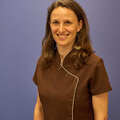
Lucile Delorme
Contact Me