Temporomandibular joint (TMJ) dysfunction is often described as jaw pain, clicking, or tension, but the jaw is far more complex than a single joint. From an osteopathic point of view, the TMJ is deeply integrated with the cranial system, posture, breathing mechanics, and the nervous system. When something goes wrong, the ripple effects can be felt throughout the entire body. In this article, we explore why TMJ dysfunction is rarely an isolated problem, how the cranial system influences jaw mechanics, and how osteopathy offers a gentle, whole-body approach to lasting relief.
Understanding the TMJ
A Highly Sensitive, Highly Integrated System
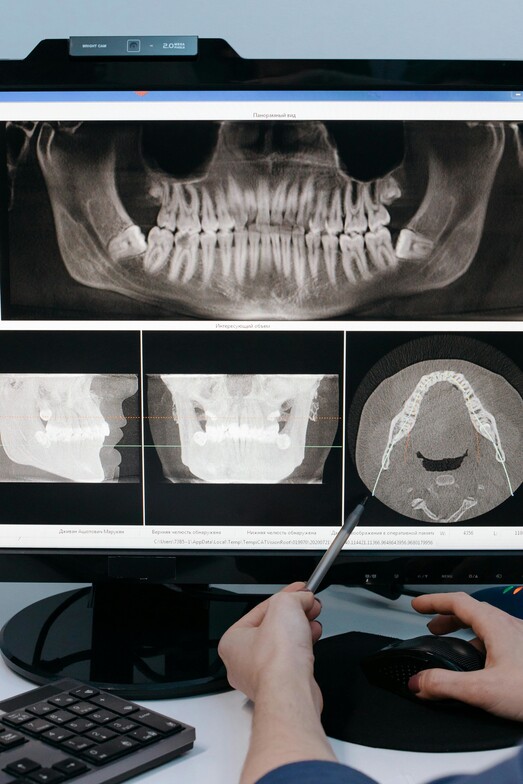
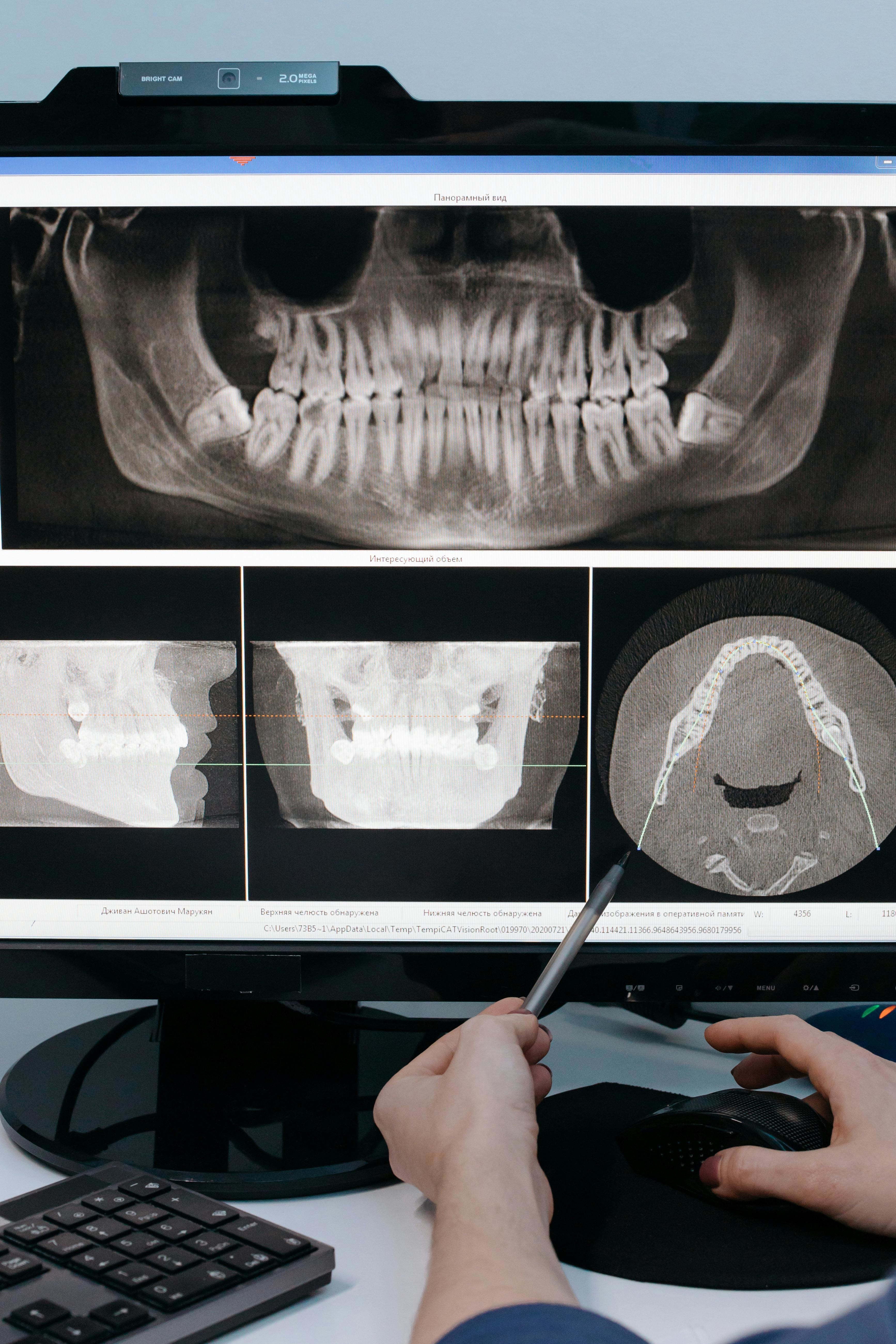
The TMJ connects your jawbone, or mandible, to the temporal bones at the sides of your skull. It is one of the most used joints in the body, engaged every time we speak, chew, swallow, or even breathe. Unlike many joints, it functions bilaterally, meaning both sides must move in harmony. The joint’s disc absorbs shock and stabilizes motion, while surrounding muscles extend their influence to the neck and scalp. Because of these connections, a dysfunction in the TMJ often appears as headaches, ear pain, neck stiffness, facial tension, or difficulty opening the mouth. Even symptoms such as dizziness or jaw fatigue may arise. The jaw is rarely acting alone, it reflects the entire cranial-cervical system. For a deeper look at TMJ anatomy, see Mayo Clinic and Cleveland Clinic.
The Cranial System: Why the Jaw Depends on Cranial Motion
Osteopathy views the skull not as a rigid structure
We, osteopath practicionners see it as a living system with micromovements that affect fluid circulation, nerve function, and muscular balance. The TMJ rests on the temporal bones, which, if rotated or slightly shifted, can misalign the jaw. Tension in cranial membranes may pull on the mandible, while stress along the trigeminal or vagus nerves can increase facial or jaw discomfort. Even subtle bite imbalances can be linked to cranial shifts rather than dental alignment alone. Cranial motion affects jaw position, the tension of muscles of mastication, disc function, and how smoothly the jaw opens and closes. It is not uncommon for TMJ issues to coincide with chronic headaches, sinus pressure, neck tightness, and facial asymmetry, revealing just how interconnected the system is.
Stress, Posture, and Breathing:
Hidden Contributors to TMJ Dysfunction
The jaw is a primary “stress container.” Emotional tension often manifests as clenching, grinding, or holding stress in the face and neck. Physical posture adds to the challenge. Many Vancouver residents spend long hours at desks or hunched over laptops, which encourages a forward-head posture that can compress the TMJ. Breathing patterns also play a role; restricted nasal breathing or chronic mouth breathing increases tension in the tongue, hyoid muscles, neck, and jaw. Over time, these factors destabilize the TMJ and strain the cranial base, showing that jaw dysfunction is rarely a localized issue.
How Osteopathy Treats TMJ Dysfunction:
A Gentle, Whole-Body Approach
Osteopathy goes beyond symptom management, focusing on why the jaw is overloaded. Treatments include cranial techniques to restore harmony in the skull and membranes, TMJ balancing to improve disc mobility, and upper cervical work to release tension along the neck and shoulders. Techniques may also involve the muscles inside the mouth, including the masseter, temporalis, and pterygoid muscles, as well as guidance on breathing and posture to reduce clenching.
Lucile Delorme’s Experience: A Vancouver Case
A recent patient, Sarah, a 35-year-old graphic designer living downtown, had been struggling with chronic jaw pain, headaches, and neck stiffness. Her symptoms had intensified over months, likely due to long hours at her desk and the stress of tight project deadlines. During the first session, Lucile Delorme observed subtle cranial asymmetry, tightness in the jaw muscles, and mild restrictions in cervical mobility. Over several sessions, Lucile Delorme combined cranial osteopathy, TMJ balancing, and upper cervical work. She also provided practical advice on standing desk posture and mindful breathing. Within a month, Sarah reported noticeably reduced jaw tension, fewer headaches, improved neck mobility, and an overall sense of relaxation. Sarah reflected, “I didn’t realize how connected my jaw pain was to my posture and stress. I feel like my whole head and neck finally have space to move freely.” This case highlights that TMJ dysfunction is rarely just a jaw problem. Addressing cranial, postural, and nervous system factors creates lasting relief and improved overall function. For a deeper understanding of osteopathic principles, see College of Registered Osteopaths and Canadian Integrative Healthcare.
When to Seek Help for TMJ Dysfunction
Consulting an osteopathic practitioner is recommended when jaw clicking or popping occurs, headaches or facial tension are persistent, teeth grinding or clenching is noticeable, neck stiffness is present, or when bite feels misaligned. Early intervention helps prevent chronic complications like disc displacement, migraines, or persistent cranial tension. Osteopathy addresses the root causes, offering relief while supporting overall structural balance.
Our Final Thoughts
The jaw is not an isolated joint, it is a reflection of your cranial, postural, and emotional system. Treating TMJ dysfunction from a whole-body perspective can restore comfort, mobility, and balance. Osteopathy provides a gentle, integrated approach that targets the underlying causes rather than just the symptoms.
Book an Appointment with Lucile Delorme
Located in Downtown Vancouver, Bonjour Osteopathy is easily accessible for city residents. For Vancouver pregnant woman, athletes, young mamas, babies and professionals, osteopathic care can relieve jaw tension, poor sleep, headaches, and neck stiffness, supporting overall wellness. Learn more or book a consultation via:

Lucile Delorme
Contact Me