Varying physical activities improves longevity more than exercise volume alone. Insights from an osteopathic practicioner in Vancouver on movement, injury prevention, and long-term health.
As an osteopathic practitioner in Vancouver, I work daily with active people: runners, cyclists, yogis, gym‑goers. A pattern I see over and over? Most people are very consistent, but often in just one type of activity. Over time, that’s when injuries, plateaus, and chronic pain appear.
In 2024–2025, one of the largest long‑term studies (BMJ Journals): on physical activity and mortality (over 110,000 participants followed for 30+ years) confirmed something we see clinically: not all movement benefits the body in the same way, and variety matters.
Beyond how much you move, how many different types of movement you practice plays a major role in longevity, resilience, and overall health. This article explains what the science says, how it applies to real life, and how osteopathy can help you stay active in multiple ways, without pain.
How much is enough? Understanding thresholds
- Real patient experience in Vancouver
- My clinical perspective as an osteopathic practicioner
- How osteopathy supports long-term, varied movement
Why Total Physical Activity Isn’t the Full Picture
Key takeaway for longevity and active adults in Vancouver Most public health guidelines focus on minutes per week of exercise. While total volume is important, large cohort data now shows that mortality risk decreases most when physical activity reaches moderate levels, then plateaus. What makes the difference beyond that plateau is activity diversity. Aerobic exercise improves heart and lung capacity. Resistance training strengthens muscles and bones. Mobility-based activities support joint health and nervous system regulation. When combined, these systems reinforce each other. Clinically, this explains why someone running five days a week may still develop hip, knee, or low-back pain, while someone mixing walking, strength training, and mobility work often remains pain-free longer.
How Different Activities Affect the Body Differently
Key takeaway for longevity and active adults in Vancouver
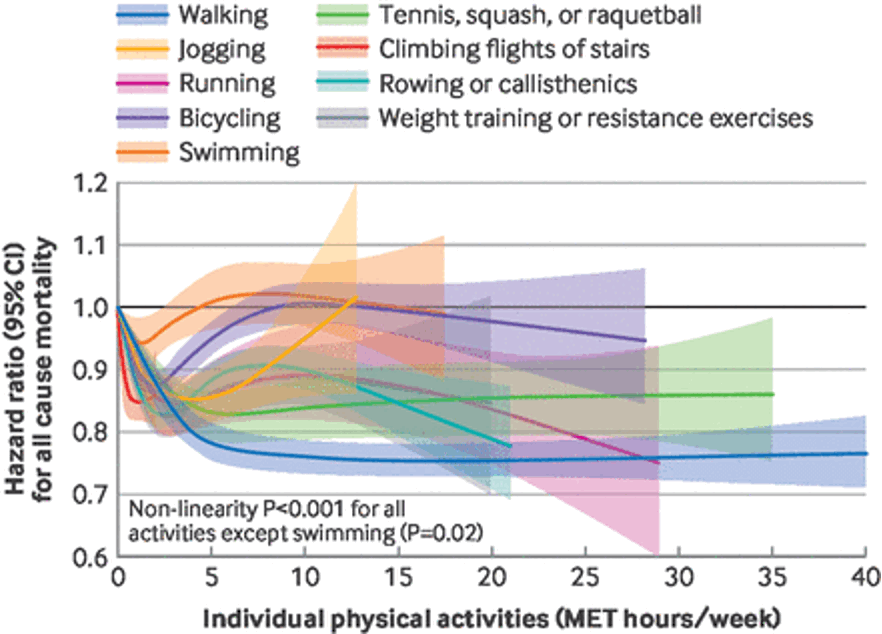
The study found distinct effects depending on the activity:
- Walking & stair climbing: strong reductions in all-cause mortality at relatively low doses
- Running & racquet sports: cardiovascular and respiratory benefits
- Strength training: lower mortality independent of cardio volume
- Swimming: mixed results, likely due to intensity variability From an osteopathic practicioneric perspective, repetitive stress from a single activity creates imbalance. Variety distributes load across tissues, allowing the body to adapt instead of break down.
Physical Activity Variety and Longevity
What the Data Shows
Key takeaway for longevity and active adults in Vancouver
Participants who regularly practiced multiple activities, walking, strength training, cardio, and sport, had significantly lower mortality from cardiovascular, cancer, and respiratory causes. Importantly, this benefit remained even when total exercise volume was the same. This means that three different activities at moderate levels outperform one activity done excessively. This supports a shift away from “more is better” toward “balanced is better.”
How Much Is Enough? Understanding Thresholds
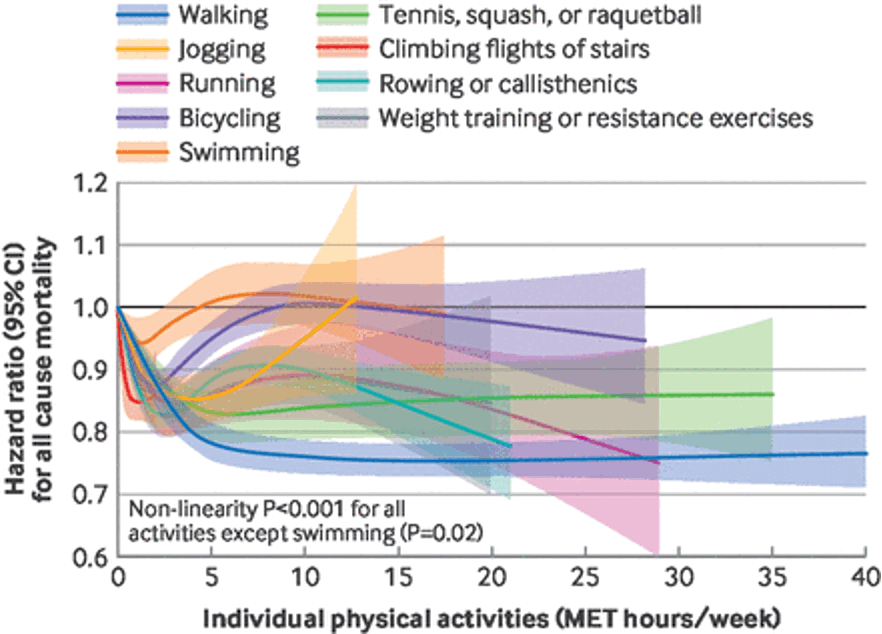
Key takeaway for longevity and active adults in Vancouver. The study identified clear thresholds:
- Walking: benefits plateau around 7.5 MET-hours/week (~150 minutes)
- Strength training: strong benefits at low-to-moderate doses
- Running: sharp benefits early, slower gains after For longevity, consistency and variety beat intensity.
Patient Experience. Staying Active Without Injury in Vancouver
Key takeaway for longevity and active adults in Vancouver
One of my patients, a 42-year-old recreational runner in Vancouver, came in with recurring knee and hip pain. Despite being “fit,” his body was overloaded in one pattern. We gradually introduced walking days, basic strength work, and mobility sessions alongside osteopathic treatment. Within months, pain decreased, recovery improved, and his running performance stabilized, with fewer setbacks.
My Experience as an osteopathic practitioner
In my own practice (Lucile Delorme, Osteopathic practitioner, Vancouver), I don’t just treat pain, I help patients build sustainable movement strategies. The most resilient bodies are not the strongest or fastest, but the most adaptable.
How Osteopathy Supports Long-Term, Varied Movement
Key takeaway for longevity and active adults in Vancouver Osteopathic treatment supports:
- Joint mobility and tissue adaptability
- Nervous system regulation
- Injury prevention during training changes
This makes it easier, and safer, to diversify movement over time.
Conclusion: Move More, Move Differently
Longevity isn’t about doing one thing perfectly, it’s about doing many things consistently. Varying your physical activities improves resilience, reduces injury risk, and supports long-term health. If you’re active in Vancouver and want to keep moving for decades, not just seasons, osteopathy can help your body adapt, recover, and thrive. Book an osteopathic practitioner consultation to support your active lifestyle.
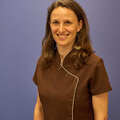
Lucile Delorme
Contact Me