If you’ve ever felt a sharp, radiating pain from your lower back down your leg, you probably already know: sciatica is no joke. It can interfere with work, sleep, exercise, and even the simplest daily tasks. The good news? With the right osteopathic approach, relief is possible. At Bonjour Osteopathy in Downtown Vancouver, we help people address sciatica in a way that’s personalized, science-backed, and gentle. This guide will give you everything you need to understand your pain and what you can do about it, almost like a friend explaining what really works.
What Sciatica Really Is
Understanding the cause, not just the symptoms
Sciatica is not a condition itself, but a symptom caused by irritation or compression of the sciatic nerve. Common causes include: Herniated or bulging discs Muscle imbalances or tightness in the lower back, glutes, or hamstrings Spinal stenosis or joint dysfunction Prolonged sitting or poor posture Pain can vary from mild tingling to sharp, burning sensations that run from the lower back, through the buttock, and down one leg. Some people also experience numbness or weakness in the leg or foot. Friendly insight: People often try to “walk it off” or rely solely on medication, but understanding why the nerve is irritated is the first step toward lasting relief.
Sciatica: How Osteopathy Can Help
Gentle, targeted care for the root cause
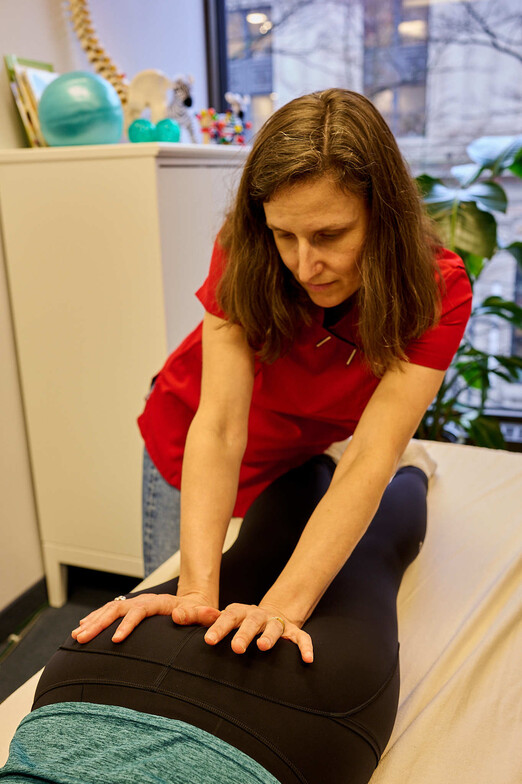
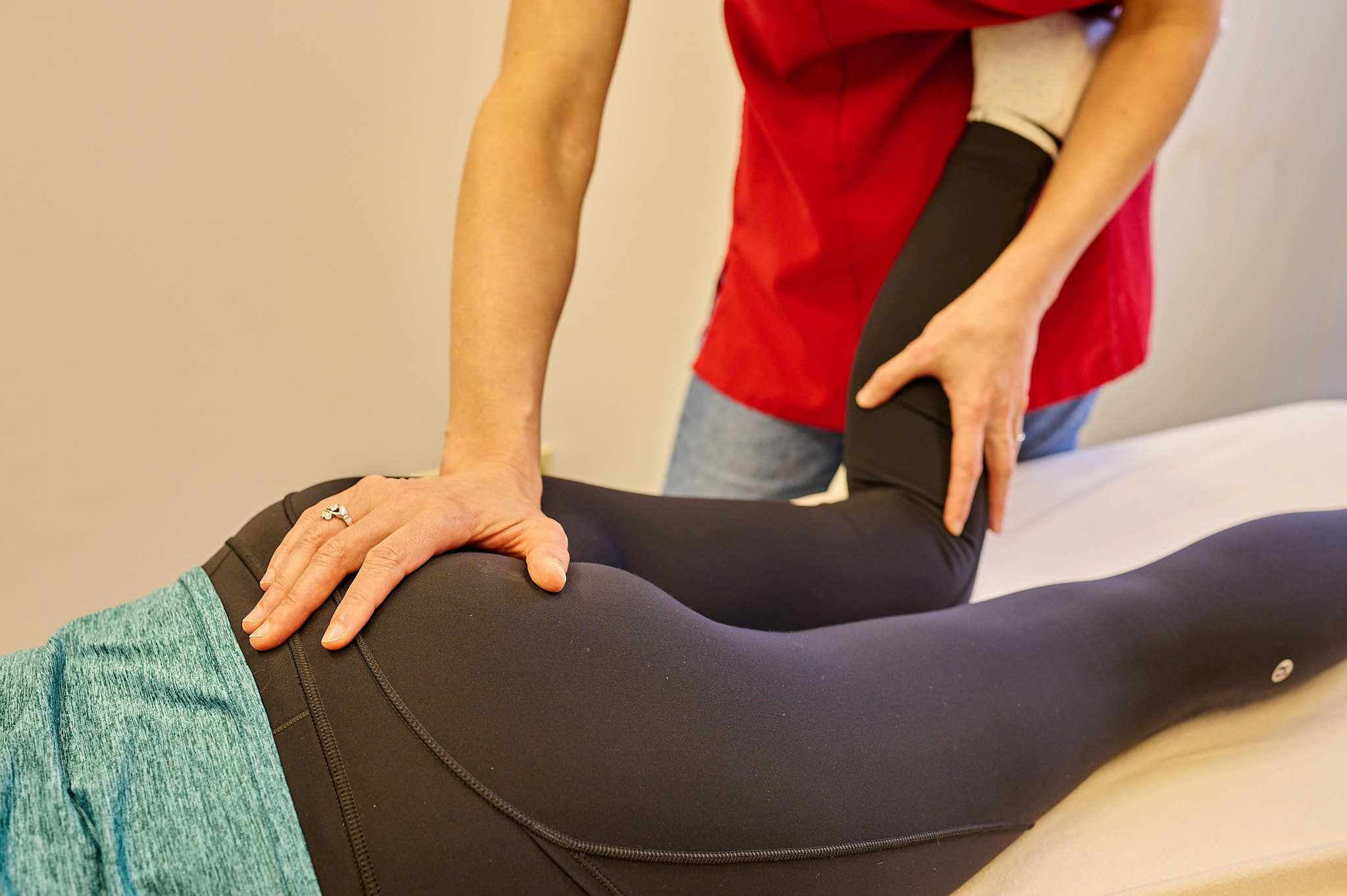
Osteopathy takes a whole-body approach, not just treating the pain. At Bonjour Osteopathy, Lucile Delorme focuses on:
- Assessing spinal and pelvic alignment to reduce nerve compression
- Releasing muscle tension in the lower back, glutes, hamstrings, and hips
- Restoring joint mobility to improve movement patterns
- Providing self-care guidance tailored to your daily routine Unlike temporary painkillers, osteopathic care addresses the underlying biomechanical issues, reducing the likelihood of recurrence. Example from my clinic: A patient in Downtown Vancouver with chronic sciatica reported a 60% reduction in pain after 3 sessions, along with improved posture and mobility.
How a nurse found relief after months of discomfort
One of our patients, a home care nurse working in Vancouver, came to me after struggling with persistent back pain and sciatica for months. Her job required her to drive for hours, repeatedly get in and out of her car, and carry medical supplies to patients’ homes. Movements that repeatedly aggravated her lower back and leg pain. She had already seen several doctors and tried conventional treatments, from physiotherapy exercises to pain medication. But nothing provided lasting relief. She described her daily routine as exhausting, often leaving her frustrated and limited in mobility. After just a few targeted sessions with Lucile Delorme at Bonjour Osteopathy, something shifted.
The treatment focused on:
- Releasing tight muscles in her lower back, glutes, and hamstrings that were compressed during frequent sitting and lifting
- Restoring pelvic and spinal alignment affected by repetitive movements and asymmetrical postures while driving
- Providing practical movement strategies for safely entering and exiting her car, as well as daily stretches she could do on the go My special tips to her?
Introducing a supportive car cushion: using an ergonomically designed lumbar or coccyx cushion helps maintain proper spinal alignment during long drives, reduces pressure on the sciatic nerve, and prevents recurrence of pain.
She told Lucile Delorme: “After years of trying different approaches, I finally felt lighter, my pain was significantly reduced, and I could move more freely between appointments. It felt like my body could breathe again.”
This story highlights an important point: sciatica is highly individual. Everyday activities, like driving and lifting, can maintain or worsen irritation of the sciatic nerve, even when other treatments seem to “fix” the issue temporarily.
A personalized, biomechanical approach can be the difference between temporary relief and lasting improvement.
Daily Habits That Support Recovery
Simple actions that complement osteopathic care
Relief doesn’t happen only during appointments. Small, consistent actions make a big difference:
- Movement over rest: Gentle walking or stretching prevents stiffness.
- Posture awareness: Sitting upright and using lumbar support reduces pressure on the sciatic nerve.
- Targeted exercises: Core strengthening and hip mobility exercises support spinal stability.
- Heat or cold therapy: Alternating heat and ice can reduce inflammation and soothe muscles. Advice for my worker fellows: Set a timer every hour if you sit for work. Stand, stretch, or take a short walk. Small habits prevent the nerve from flaring up ;)
Statistic: According to research, over 70% of patients with sciatica see measurable improvement when combining osteopathic care with consistent daily movement.
When to Seek Professional Help
Signs you shouldn’t ignore
Sciatica usually improves over a few weeks, but you should consult a practitioner immediately if you notice: Severe or worsening pain Numbness or weakness in one leg Loss of bladder or bowel control Pain that doesn’t respond to basic self-care Lucile Delorme emphasizes early assessment: “Catching issues early allows us to correct biomechanical patterns before they become chronic. The sooner we intervene, the faster you can regain comfort and mobility.”
Your Personalized Path to Relief
Combining professional guidance with practical strategies
Here’s a step-by-step approach we recommend at Bonjour Osteopathy:
- Initial assessment: Identify the root cause and understand your unique pattern of pain.
- Gentle, targeted osteopathic sessions: Restore mobility, release tension, and reduce nerve irritation.
- Home guidance: Exercises, posture tips, and lifestyle adjustments to reinforce the treatment.
- Ongoing monitoring: Track progress, adjust strategies, and prevent flare-ups. Anecdote: One Downtown Vancouver client struggled with sciatica for 2 years. After combining osteopathic sessions with guided stretches and posture adjustments, they were back to running and sleeping comfortably within 6 weeks.
Friendly Tip from Lucile: Sciatica doesn’t have to control your life. Think of osteopathic care as a supportive friend for your body, someone who helps you understand your pain, gently addresses it, and equips you with tools to stay comfortable for the long term. Ready to take the first step?
Book an appointment with Lucile Delorme at Bonjour Osteopathy and start your personalized journey to lasting relief. Book Your Appointment
References / Science-Based Sources
Journal of Orthopaedic & Sports Physical Therapy – Conservative management of lumbar radiculopathy,
2022 Science Direct – Biomechanical risk factors and sciatica, 2021 Clinical observations from Bonjour Osteopathy, Downtown Vancouver

Lucile Delorme
Contact Me