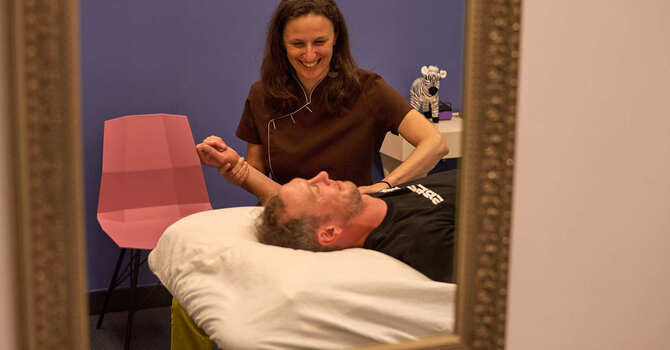
At Bonjour Osteopathy, there are moments in clinic when patterns become impossible to ignore. Not because they are rare, but because they repeat with striking similarity. Recently, I worked with three different postpartum women. They came in for different reasons, with different stories and expectations. And yet, within the first part of each session, they all said the same thing:
“I can’t feel my pelvic floor.”
Each time I hear this, it immediately tells me something important.Not just about the pelvic floor, but about how the body is functioning as a whole.
When Patients Don’t Feel What They’re “Supposed” to Feel
What struck me in these three cases was not just the symptom, but the confusion behind it.
One patient looked at me and said,
“I’m trying to do the exercises… but I don’t know if anything is happening.”Another said,
“I’ve been told to engage my pelvic floor, but I don’t even know where to find it.”And the third, almost apologetically, admitted she had stopped trying.
As a practitioner, this is something I take very seriously. Because when someone tells me they “can’t feel” a part of their body, I don’t interpret it as a lack of effort. I hear it as a lack of connection. I sometimes recommend reformer pilates to help reconnect the pelvic floor.
Looking Beyond Strength: What I Assess First
In these situations, I’m not thinking about strengthening protocols right away.
Instead, I start by asking:
What is preventing this person from accessing that area?So I go back to the basics:
- How is the abdomen moving?
- How does the diaphragm respond with breathing?
- Is there tension or lack of responsiveness in the tissues?
In all three of these cases, a similar pattern emerged quite clearly.
A Repeated Pattern I Often See: Diastasis and Disconnection
Each of these women presented with diastasis recti.
Pelvic floor and diastasis are the result of poor coordination between the pelvic floor and core engagement.
This is something I see frequently in postpartum patients, but what matters is not just the presence of diastasis, it’s how it affects the overall system. When I assess the abdominal wall in these cases, I often feel a lack of tension, a lack of responsiveness. And when that happens, the body loses part of its internal coherence. The diaphragm, the deep core, and the pelvic floor are no longer working together, they’re disconnected.
From my perspective, this is often why patients say:
“I can’t feel anything.”
It’s not that the pelvic floor isn’t working. It’s that the system it depends on is not coordinating properly. This understanding is supported by broader approaches in pelvic health, such as those shared by Pelvic Health Solutions, where the focus is placed on integration rather than isolation.
You can find lots of tips on Activcore.com
Why This Pattern Is Often Misunderstood
It’s Not About Weakness
Many of the women I see have already been doing exercises consistently. They are engaged, motivated, and willing to do the work. But if the connection isn’t there, strengthening alone won’t solve the issue. In fact, it can sometimes increase frustration.
The Body Is Adapting, Not Failing
What I observe instead is a body that has adapted to pregnancy and birth, and hasn’t yet reorganized itself. That adaptation is not a failure. It’s a phase. But it does require a different approach to move forward.
How I Approach This in Treatment
At Bonjour Osteopathy, my work doesn’t start with exercises.
It starts with restoring conditions that allow the body to feel again.
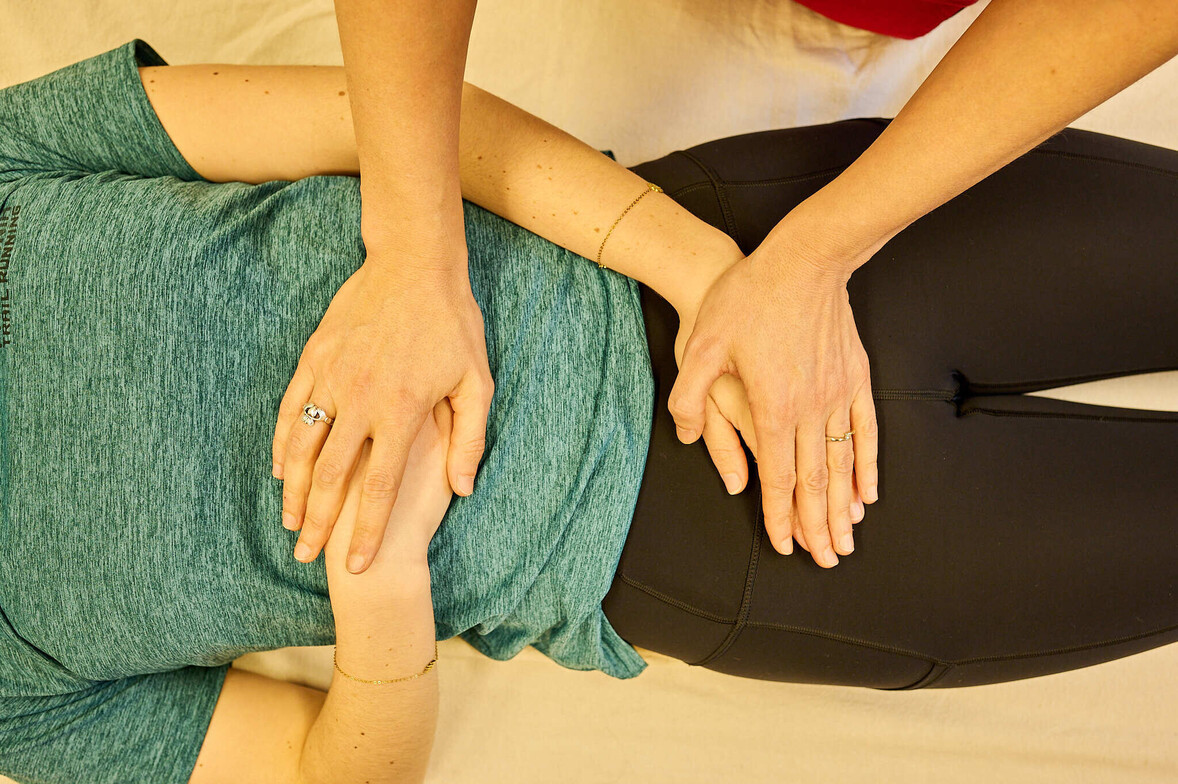
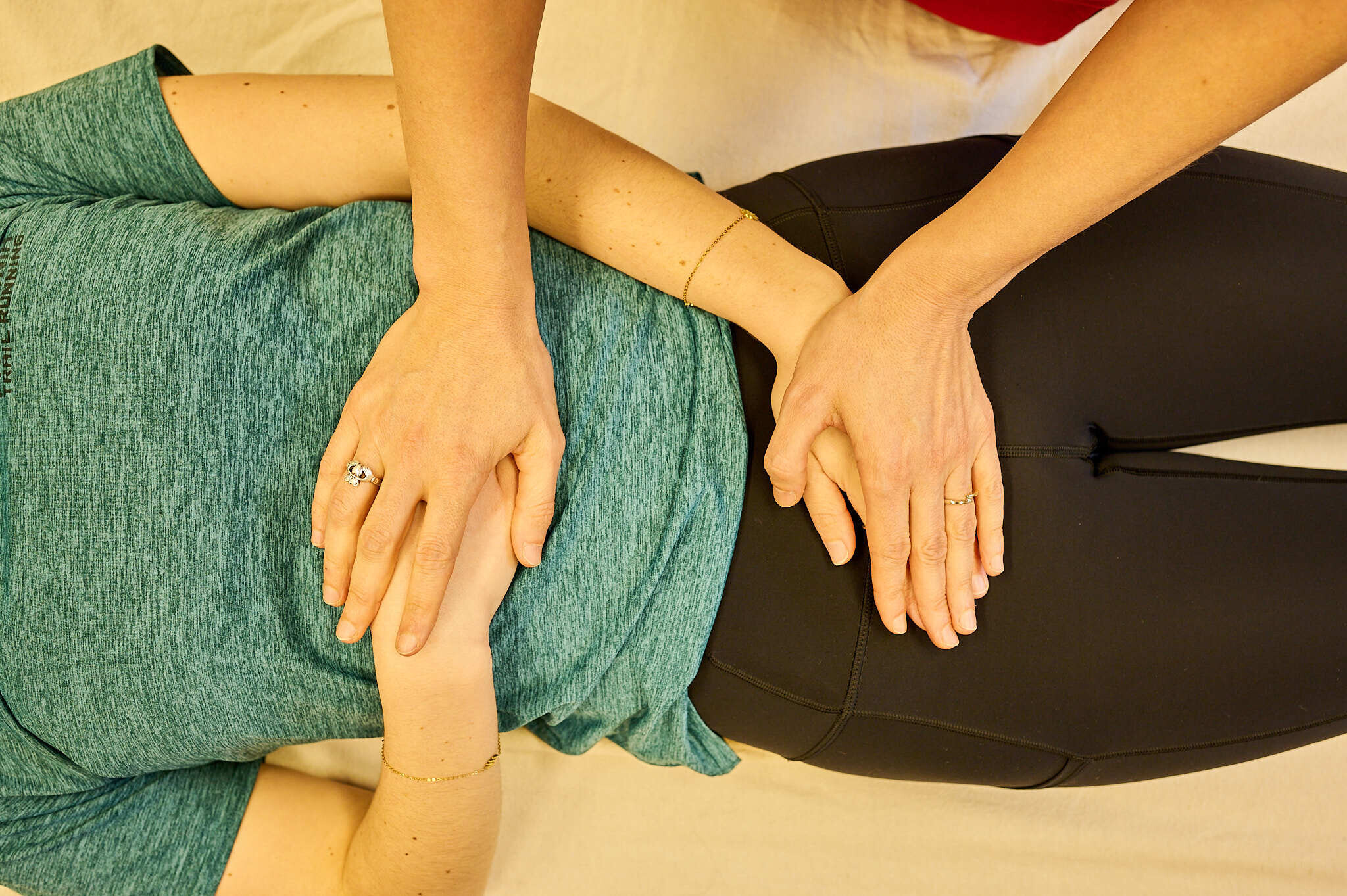
Through gentle manual work, I focus on:
- improving mobility in the abdominal wall
- restoring movement in the diaphragm
- reducing areas of tension that limit perception
But just as importantly, I guide my patients. Because reconnecting to the pelvic floor is not just about doing, it’s about sensing.
How Osteopathy Supports Pelvic Floor Awareness
Restoring Mobility First
If the tissues don’t move well, the body won’t perceive them clearly. This is always my starting point.
Rebuilding Internal Coordination
I’m not trying to isolate the pelvic floor. I’m helping the body function as a system again.
Guided Awareness, Not Forced Activation
I never ask a patient to “contract more” if they don’t feel it. Instead, we work progressively toward clarity. What I observed with these three women was not a sudden change, but a shift.One of them paused during the session and said, “Oh… I think I feel something now.” Another told me at the end, “It’s the first time it makes sense.” And the third simply said, “It feels more natural.”
For me, these moments are significant. Because they show that the body is reconnecting.
What I Want My Patients to Understand
Symptoms I Often Hear
“I can’t feel my pelvic floor”
“I don’t know how to engage it”
“It feels like nothing is happening”
What I Often Find
A lack of coordination, often linked to diastasis, altered pressure, and reduced awareness.
What Doesn’t Help
Repeating exercises without understanding, forcing activation, or following generic advice.
What Makes a Difference
Time, guidance, hands-on care, and restoring trust in the body.
Why This Matters in Postpartum Recovery
When connection is missing, everything becomes harder. Exercises feel ineffective. Progress feels slow. Confidence drops. This is why I believe it’s important to shift the conversation, from strength to connection. This approach is also reflected in broader rehabilitation frameworks, including those supported by the American Physical Therapy Association, where neuromuscular coordination is a key part of recovery.
Supporting Women in Vancouver
At Bonjour Osteopathy, I work with women who are navigating these exact questions. Many of them arrive feeling confused, sometimes discouraged. But very often, once we start working together, things begin to make more sense, not because we are forcing change, but because we are allowing the body to reorganize.
FAQ: Pelvic Floor & Postpartum Awareness
Is it normal not to feel your pelvic floor?
It’s common, but it’s a sign that something needs to be explored further.
Does diastasis play a role?
Very often, yes, especially in how the body coordinates internally.
Why don’t exercises work?
Because without connection, the body doesn’t respond as expected.
Can this improve?
Yes, with the right approach, most patients regain both awareness and function.
Ready to Reconnect With Your Body?
If you recognize yourself in these experiences, you’re not alone. And more importantly, there is a way forward. At Bonjour Osteopathy, I offer a space to explore these patterns and help you reconnect with your body, step by step. Booking a session is often where that reconnection begins.

Lucile Delorme
Contact Me