Constipation in Vancouver? Simple toilet habits that can actually help
Constipation is one of those health issues people rarely talk about openly, even though it is incredibly common.
Get some tips from our youtube tutorial
In Downtown Vancouver, it often looks like:
- sitting on the toilet too long before work,
- feeling bloated after healthy meals,
- relying on coffee to “get things moving,”
- or feeling like you constantly need to push.
What surprises many people is that constipation is not always about food.
At url Bonjour Osteopathy, Lucile Delorme regularly works with patients who already eat well, drink water, and stay active, yet still struggle with bowel movements.
The missing piece is often mechanical. Breathing, posture, pelvic tension, abdominal pressure, stress levels, anxiety and nervous system
overload can all influence digestion.
Why pushing harder usually backfires
Your body needs coordination more than force
One of the most common mistakes people make during constipation is straining aggressively.
The problem is that pushing harder can actually increase pelvic tension instead of helping the
body relax.
Research published in the Canadian Journal of Gastroenterology reported that roughly 27% of Canadians experience constipation symptoms within a threemonth period.
Lucile often notices the same pattern during appointments in Downtown Vancouver: people describe constipation as if their body is “not working,” while their posture and breathing habits are actually making things more difficult.
One patient working near Burrard Station explained that she spent most mornings sitting on the toilet while checking emails and unconsciously clenching her stomach.
“Once she stopped rushing and changed her posture, bowel movements became significantly
easier,” Lucile explains.
That response is not unusual. The digestive system works closely with the nervous system. When the body stays in a constant
stress-response state, bowel motility can slow down.
Did you know?
The pelvic floor should relax during a bowel movement. Excessive pushing can sometimes
create the opposite effect by increasing tension.
The toilet posture most people never learned
Elevating your feet changes pelvic mechanics
One of the simplest changes many patients find helpful is placing a small stool under their feet.
The goal is simple:
- knees slightly higher than hips,
- feet fully supported,
- jaw relaxed,
- belly soft instead of clenched.
Lucile often compares this to releasing unnecessary pressure instead of trying to overpower the
body.
Trying to force a bowel movement while clenching your abdomen is a bit like trying to drive
with the parking brake on.
Many people also hold their breath without realizing it.
Instead of pushing aggressively, slower exhalations and relaxed breathing patterns may help
reduce tension.
Research from the Cleveland Clinic also explains how stress can directly influence digestion and
bowel habits through the gut-brain connection.
Small movements that can help at the toilet
Gentle motion often works better than staying rigid
Many people try to stay perfectly still while straining.
Ironically, gentle movement can sometimes help the body relax more naturally. A patient living in Yaletown described feeling bloated almost every morning despite eating what she considered a very healthy diet. After focusing on breathing mechanics, elevating her feet, and reducing abdominal tension, she noticed improvement within days.
According to Lucile, people are often shocked by how much tension they hold in their jaw, ribs,
abdomen, and pelvic floor.
“The body usually responds better to coordination than force,” she says.
Here are some of the habits she frequently discusses with patients:
Habit Why it may help
Elevating the feet with a stool Can reduce strain and improve pelvic positioning
Slow exhalations Helps decrease abdominal tension
Gentle rocking movements Encourages mobility instead of rigid pushing
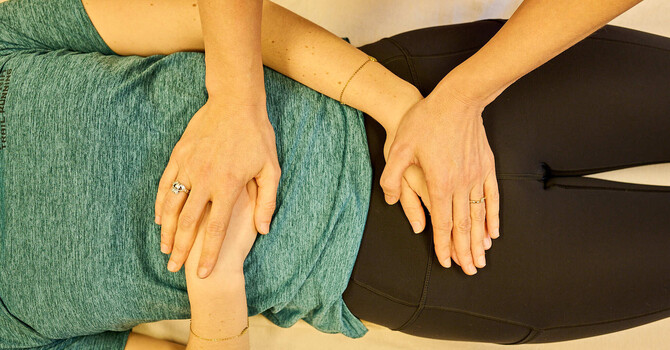
Clockwise abdominal
massage May help stimulate digestive movement
Avoiding phone scrolling Reduces nervous system stimulation
Did you know?
The enteric nervous system, often called the “second brain”, contains hundreds of millions of
neurons communicating continuously with the brain.
This partly explains why stress, rushing, or anxiety can influence bowel habits.
When constipation may need professional support
Occasional constipation is common.
Persistent strain should not become normal.
Travel, stress, dehydration, hormonal changes, and sedentary workdays can all temporarily
affect digestion.
But recurring constipation deserves attention.
You may benefit from professional support if symptoms are associated with:bloating,
- abdominal discomfort,
- pelvic pressure,
- painful bowel movements,
- or persistent feelings of incomplete evacuation.
At Bonjour Osteopathy services, Lucile Delorme
approaches the body globally rather than looking only at digestion itself.
Assessment may include:
- breathing mechanics,
- abdominal tension,
- spinal mobility,
- rib cage movement,
- pelvic mechanics,
- and stress-related tension patterns.
This whole-body perspective resonates with many Vancouver residents who feel frustrated
after trying endless online solutions without lasting results.
Practical habits to try this week
Consistency matters more than aggressive “gut hacks”
Many people swing between extremes:
- detox teas,
- restrictive cleanses,
- excessive supplements,
- or aggressive fibre loading.
But digestion often responds better to simple habits practiced consistently.
Lucile encourages patients to focus on:
- slower breathing,
- less forceful pushing,
- more daily movement,
- reduced stress while at the toilet,
- and better awareness of tension patterns.
One Downtown Vancouver patient realized her symptoms worsened almost exclusively during
stressful work periods.
“When people stop forcing and start understanding what their body is doing mechanically,
things often become easier,” Lucile says.
At Bonjour Osteopathy, many patients book because they are tired of adapting their life around
symptoms.
Lucile Delorme’s experience working with Downtown Vancouver residents allows her to
recognize patterns that are easy to miss:
- shallow breathing,
- stress-related abdominal bracing,
- sedentary routines,
- and nervous system overload.
Sometimes the most effective approach is not about forcing the body harder. It is about helping it work the way it was designed to.

Lucile Delorme
Contact Me